
New Patients

New Patient - Pelvic Floor PT Evaluation
Your first pelvic floor visit: a private, unhurried 75 minutes with Dr. Harpreet Singh in Davidson.
$240 · 75 minutes
Offered at Davidson
Virtual New Patient - Pelvic Floor PT Evaluation
Your first pelvic floor visit with Dr. Singh, held by video and arranged by phone.
$240 · 75 minutes
Offered at Virtual
Returning Patients
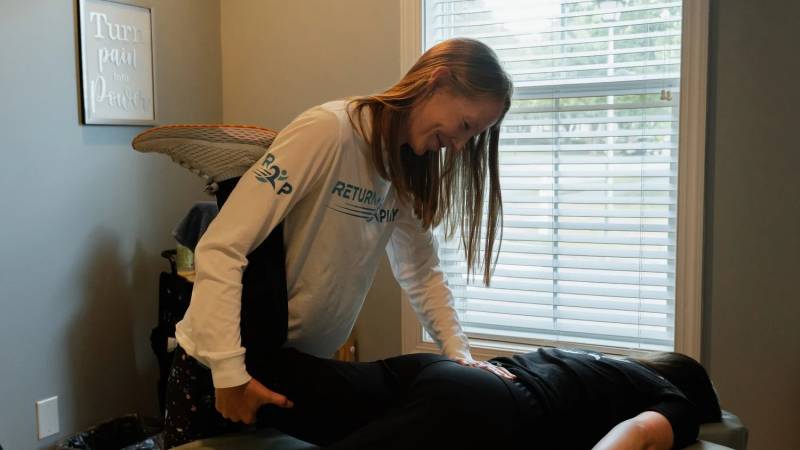
Pelvic Floor PT Follow Up
Follow-up treatment after your pelvic floor evaluation.
$190 · 60 minutes
Offered at Davidson
Virtual Follow Up - Pelvic Floor PT
A pelvic floor follow-up with Dr. Singh, by video and arranged by phone.
$175 · 60 minutes
Offered at Virtual
Pelvic floor questions
What is pelvic floor physical therapy?
Pelvic floor physical therapy is specialized physical therapy focused on the muscles and surrounding structures that support bladder, bowel, core, and reproductive function.
Pelvic floor dysfunction can contribute to urinary leakage or urgency, constipation, pelvic pain, pregnancy-related pain, postpartum symptoms, core dysfunction, and difficulty returning to exercise.
Treatment is individualized based on your symptoms and goals. At Return 2 Play, we place a particular emphasis on helping active women return to running, lifting, CrossFit, sports, exercise, and everyday life without being limited by pelvic floor symptoms.
What happens at my first pelvic floor appointment?
Your first appointment begins with a conversation about your symptoms, medical history, activity level, and goals.
Your physical therapist may assess breathing, abdominal and core function, hip mobility, strength, posture, movement, and pelvic floor muscle function.
Depending on your symptoms and comfort level, an internal pelvic floor examination may also be offered. An internal examination is not required. Your therapist will explain what they recommend and why, and it will only be performed with your consent.
How many pelvic floor appointments will I need?
The number of appointments varies depending on your symptoms, how long they have been present, your activity level, and your goals.
At Return 2 Play, our goal is not to keep you coming to physical therapy indefinitely. We want to identify what is contributing to your symptoms, give you the tools and individualized plan you need, and help you become as independent as possible.
Because your visits are individualized and one-on-one, we focus on making each appointment meaningful. Some patients may only need a handful of visits, while more complex conditions or higher-level goals may require a longer plan of care.
As you become more confident and independent, your therapist can adjust how frequently you need to be seen.
Ultimately, success means you need us less, not more.
Can pelvic floor physical therapy help during pregnancy and after delivery?
Pelvic floor physical therapy can be helpful both during pregnancy and after delivery.
During pregnancy, treatment may help with pregnancy-related pain, breathing, pelvic mobility, pelvic floor coordination, exercise modifications, and preparation for labor and postpartum recovery.
After delivery, physical therapy can help restore core and pelvic floor function, address pain or urinary leakage, and progressively prepare your body to return to running, lifting, and exercise.
There is no single timeline that is right for everyone, and you do not have to be newly postpartum to benefit. Even if your baby is several years old, persistent postpartum symptoms can still be addressed.
Is urinary leakage during pregnancy or after childbirth normal?
Urinary leakage is common during pregnancy and after childbirth, but common does not mean you have to live with it.
Pregnancy and delivery can affect pelvic floor strength, coordination, pressure management, and core function.
Pelvic floor physical therapy can help determine what is contributing to leakage and help you rebuild the strength and coordination needed for coughing, sneezing, lifting your children, running, jumping, and exercising.
Can physical therapy help with diastasis recti or C-section recovery?
Yes.
After pregnancy, pelvic floor physical therapy can address abdominal wall function, breathing, pressure management, pelvic floor coordination, core strength, and diastasis recti.
Following a C-section, physical therapy may also help address mobility, scar sensitivity and mobility after appropriate healing, abdominal strength, and gradually returning to exercise.
The goal is not simply to focus on a diastasis “gap” or C-section scar. We want to restore a strong, functional core that can handle the demands of everyday life and the activities you want to return to.
Why do I leak when I run, jump, or lift?
Running, jumping, and heavy lifting place significant demands on your core and pelvic floor.
Leakage does not automatically mean your pelvic floor is simply weak. Strength, timing, coordination, breathing, pressure management, fatigue, and the demands of the activity can all contribute.
At Return 2 Play, our goal is not simply to tell you to stop running, jumping, or lifting. We want to determine why the leakage is occurring and help you develop the capacity to perform those activities confidently.
Can pelvic floor therapy help with urinary frequency and urgency?
Urinary frequency and urgency can have several causes, including fluid intake, caffeine, bladder irritation, bladder habits, certain medical conditions, and pelvic floor dysfunction.
If you frequently need to urinate, regularly wake at night to use the bathroom, or plan your activities around bathroom access, it may be worth discussing with a healthcare provider.
When pelvic floor function, coordination, or bladder habits are contributing, pelvic floor physical therapy may help.
Can pelvic floor therapy help with constipation?
Yes, particularly when constipation involves difficulty coordinating or relaxing the pelvic floor muscles during a bowel movement.
Pelvic floor physical therapy can address muscle coordination, positioning, breathing, pressure management, and bowel habits to help improve your ability to empty more effectively.
Can I exercise with pelvic floor symptoms?
In many cases, yes.
Pelvic floor symptoms do not automatically mean you need to stop exercising. Depending on your symptoms, you may be able to modify distance, intensity, weight, or training volume while addressing the underlying problem.
At Return 2 Play, our goal is not to unnecessarily take exercise away from you. We want to determine what you can safely continue doing and progressively build your body back toward the activities you want to do.
What is the core, and which core exercises should I do?
Your core is more than just your abdominal muscles.
Your diaphragm, abdominal muscles, back muscles, and pelvic floor work together to manage pressure and stabilize your body during movement.
The right exercises depend on your symptoms and current capacity. Rather than permanently avoiding challenging exercises, pelvic floor rehabilitation should progressively build your ability to tolerate the demands of everyday life, lifting, running, and exercise.
Are Kegels always the answer?
No.
Some pelvic floor problems involve weakness, but others involve muscles that are overactive, poorly coordinated, or have difficulty relaxing.
Doing more Kegels without knowing what is contributing to your symptoms may be ineffective and can sometimes make symptoms worse.
A pelvic floor physical therapy evaluation can help determine whether you need strengthening, relaxation, coordination work, pressure-management strategies, or a combination.